
Haute École des Arts du Rhin

The Haute École des Arts du Rhin (HEAR) is a public higher education institution in the arts under the supervision of the French Ministry of Culture. It encourages permeability between disciplines and fosters synergies between art, design, and craft practices.

At its Mulhouse campus, the DNA (Bachelor’s degree) and DNSEP (Master’s degree) programs in Textile Design combine artistic experimentation with technical expertise. Students develop their practice through professional projects carried out in collaboration with a network of partners, sustained studio work, and collective formats such as workshops, lectures, and study days.

This pedagogy, which brings together practice and theoretical reflection, supports emerging designers in shaping a personal approach grounded in contemporary textile and design issues.
EXHIBITION

A particular view of the world

Town

Sainte-Marie-aux-Mines

Exhibition venue

#6 Espace des Tisserands, Sainte-Marie-aux-Mines

Year

2026

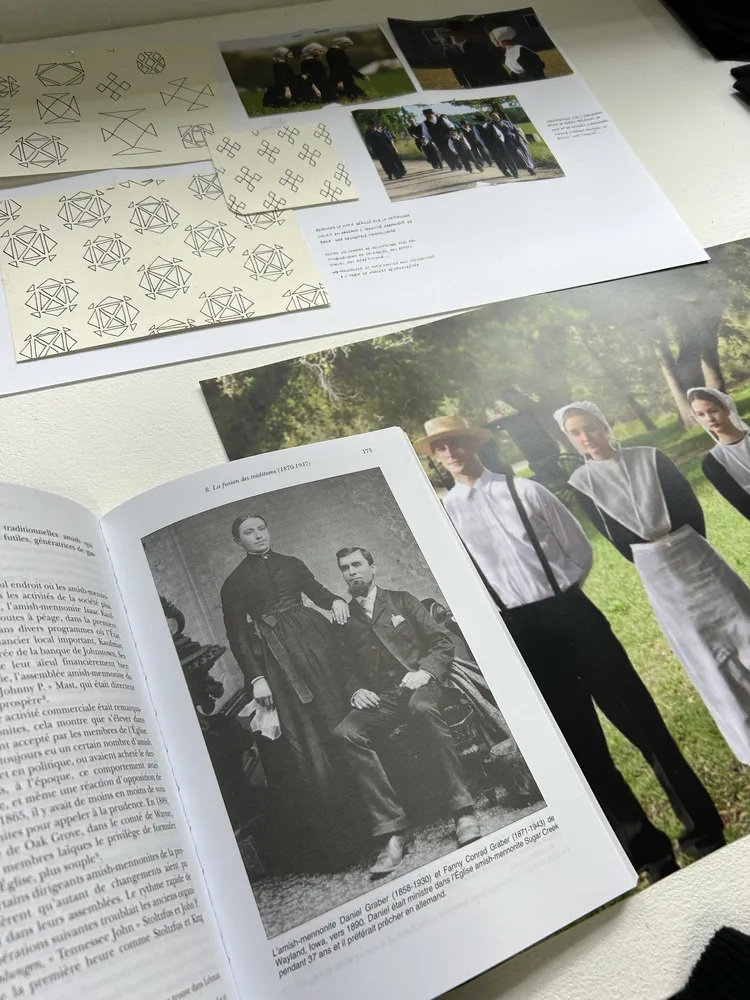
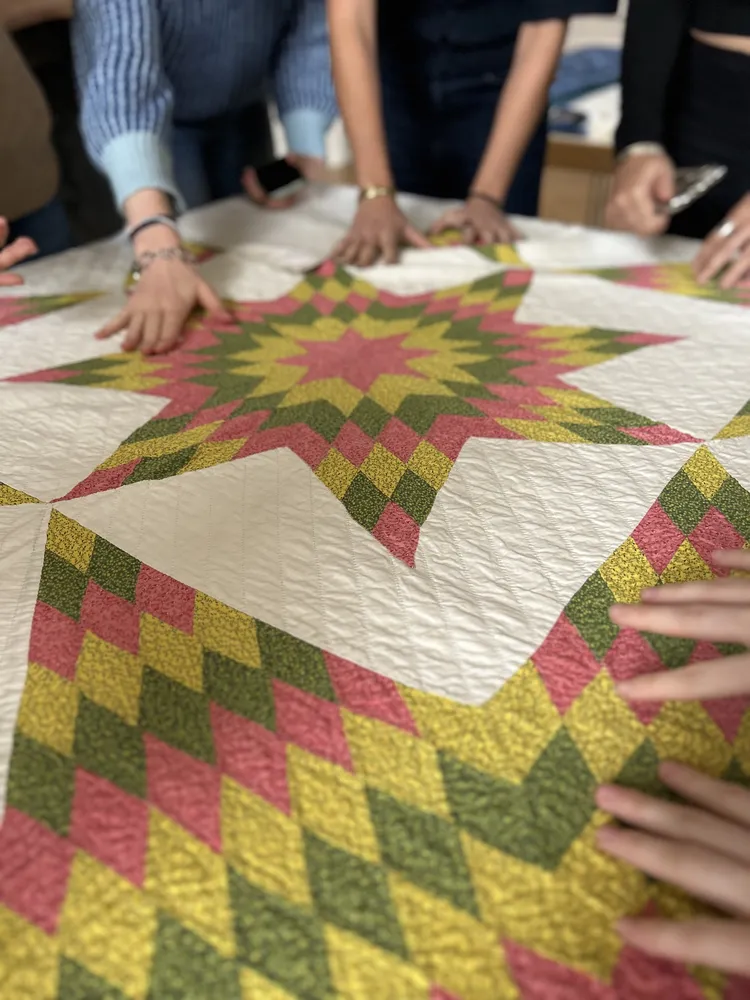
More than a textile technique, the Amish quilt embodies a collective history, an ethic of simplicity, and a relationship to time rooted in transmission. This exhibition, developed by the Textile Design students of HEAR in Mulhouse, draws on the collection of American Amish quilts preserved at the Villa Burrus in Sainte-Croix-aux-Mines.

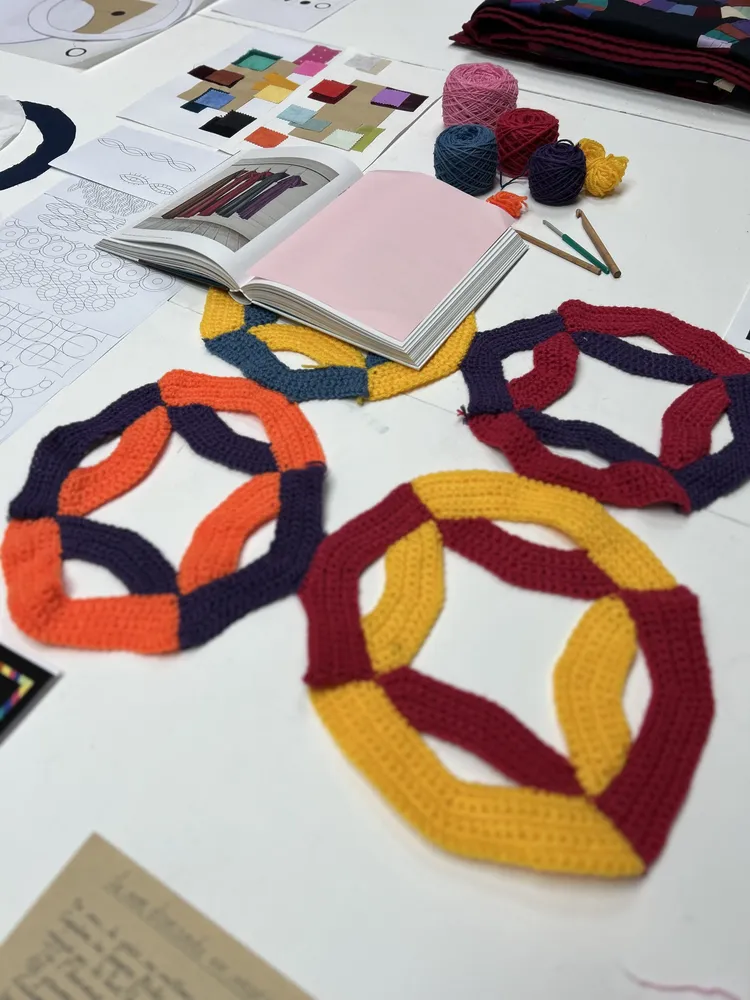
These memory-laden objects serve as a starting point for contemporary explorations shaped by current concerns. Bridging art, design, and anthropology, the students analyze and reinterpret these symbols of an everyday ethic: restrained forms, humble geometric compositions, and durable materials. The Amish quilt emerges as the expression of a worldview in which creative gesture is inseparable from values such as solidarity, humility, and reuse.

The exhibition presents textile objects, installations, and site-specific works resulting from this research. The young designers reinterpret traditional techniques—such as weaving, knitting, sewing, and dyeing—to address today’s ecological and social challenges. Between heritage and innovation, the exhibition invites visitors to reconsider their relationship to material, time, and community.