
Marithé & Didier Malfériol

Marithé and Didier Malfériol, originally from the Puy-de-Dôme region in France, have been collecting antique French quilts for the past fifteen years. Their collection spans from the second half of the 19th century to the 1970s and 1980s.

They are particularly interested in the origins of each piece, the techniques used, and the materials chosen. For them, every quilt is a valuable witness to craftsmanship as well as to a specific social, economic, and personal context.

In exhibitions, they enjoy letting these works “speak” in order to shed light on a popular art form that remains largely overlooked today, yet is deeply rooted in French textile history. Through their research and passionate perspective, they invite visitors to rediscover these creations, appreciate their technical richness, and connect with their human dimension.

Their approach reflects a commitment to preserving, documenting, and sharing a textile heritage that deserves full recognition.
EXHIBITION

Patchwork français ancien

Town

Sainte-Croix-aux-Mines

Exhibition venue

#12 Salle des Fêtes, Sainte-Croix-aux-Mines

Year

2026

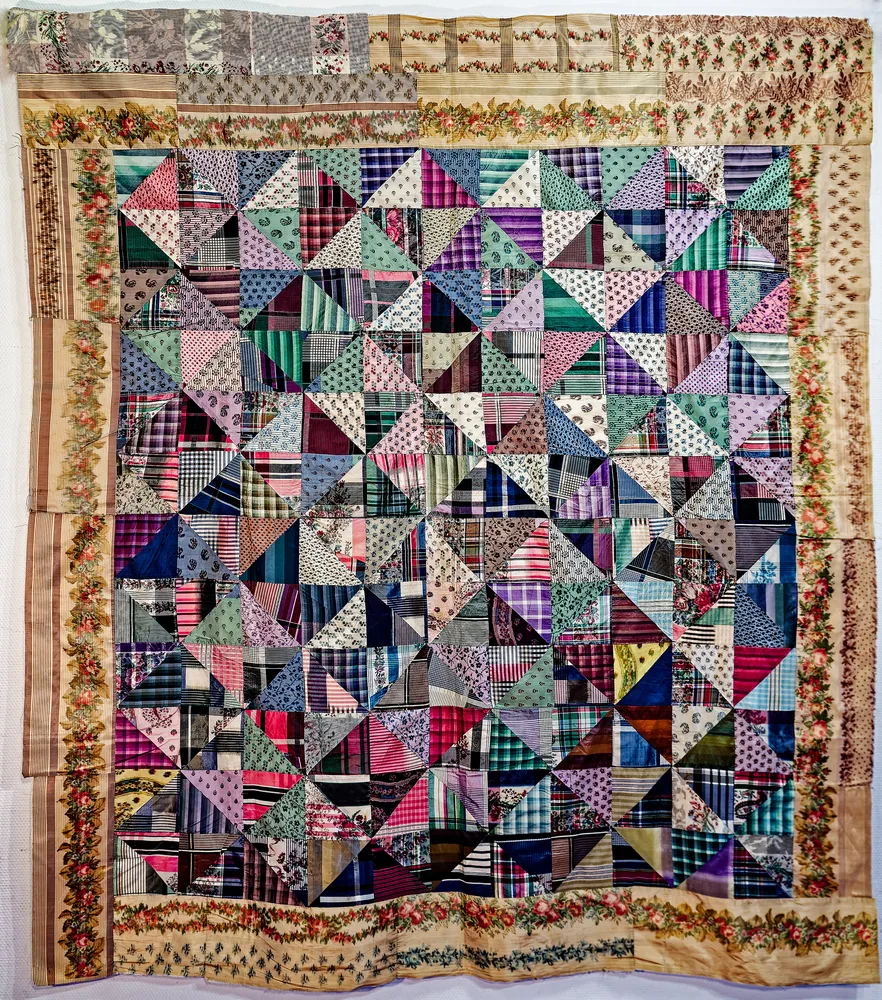
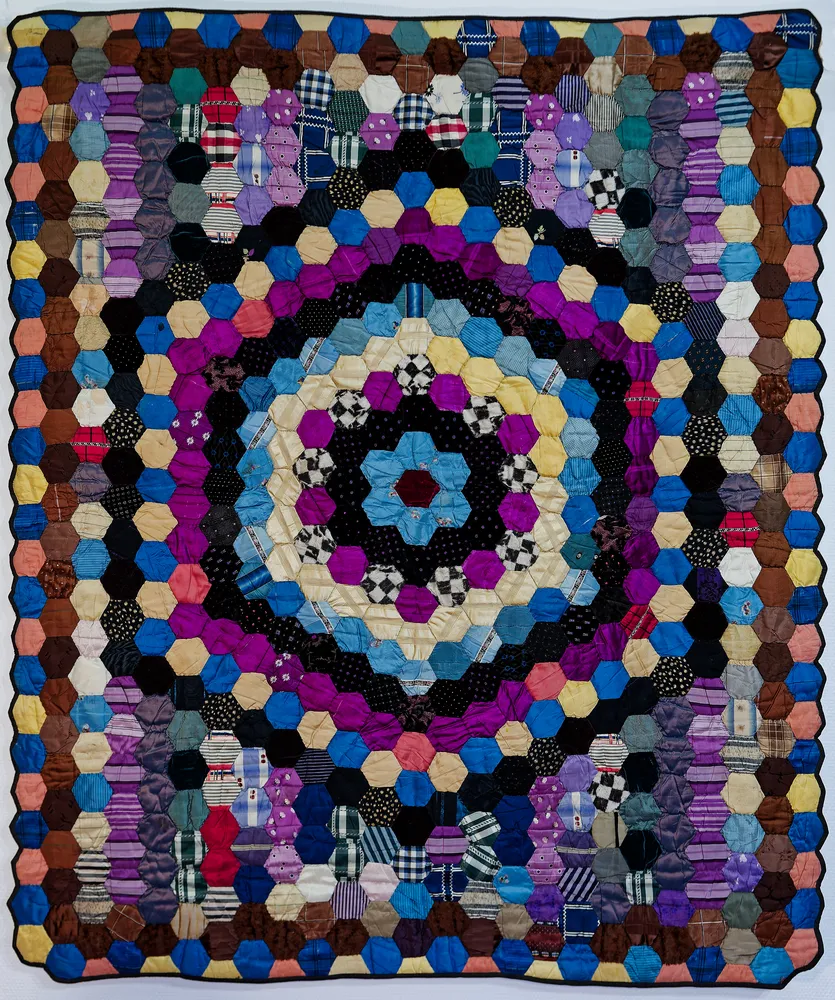
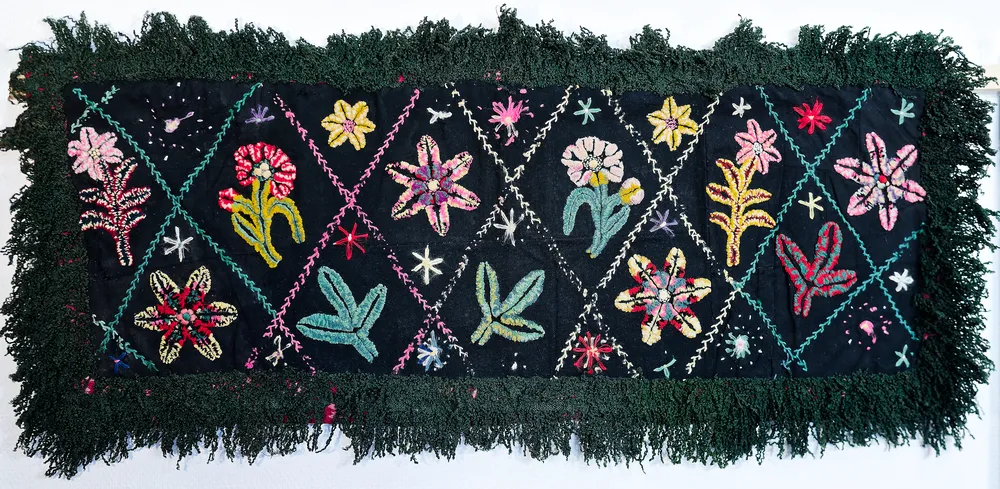
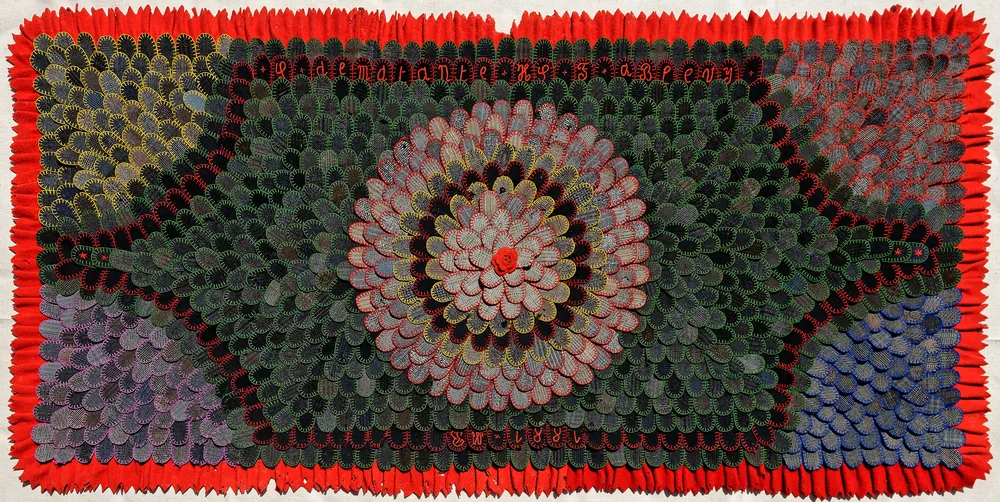
The quilts presented in this exhibition, all of French origin, date from the late 19th century to the 1970s. Together, they offer a rich and intimate overview of a textile art form deeply rooted in everyday life. We have chosen to highlight works created using a variety of techniques.

Some of these are no longer practiced today, such as wool embroidery made with the “étoile brodeuse” tool or pieces constructed with fabric tabs (“languettes”). These methods reflect a level of creativity and craftsmanship that has largely disappeared. Most of the pieces on display were made with great modesty, using worn garments, fabric scraps, leftover ribbons, or lace. They embody a domestic economy in which nothing was wasted and every textile fragment was given a second life.

Alongside these works from modest backgrounds, the exhibition also features patchworks from more affluent environments, recognizable by the use of finer fabrics such as silk.

This social diversity enriches our understanding of patchwork and its varied roles over time. The exhibition is complemented by vintage photographs showing these textile pieces in context.

These documents provide valuable clues for dating and locating the works, while offering a moving glimpse into their place within former interiors.

Each piece speaks to us—either through the story it suggests or the mystery it preserves. Together, they form a poignant testimony to our shared past. For the duration of the exhibition, we invite you to see them anew—and to bring them back to life.