EQA – European Quilters Association

EQA, the European Quilt Association, is a collaborative network uniting European patchwork guilds beyond national boundaries. Bringing together 20 member guilds, it promotes quilting across borders, cultures, and languages while creating meaningful opportunities for exchange and visibility among European quilters.

Through annual themed competitions that are open and non-juried, EQA encourages broad participation and creative dialogue. These initiatives are complemented by curated exhibitions that highlight the diversity and expertise of quilting practices across member countries.

Together, these exhibitions travel throughout Europe, reaching a wide audience at major shows and specialized events. They provide European quilt artists with an international platform, fostering connection, recognition, and cross-cultural dialogue within the quilting community.
EXHIBITION

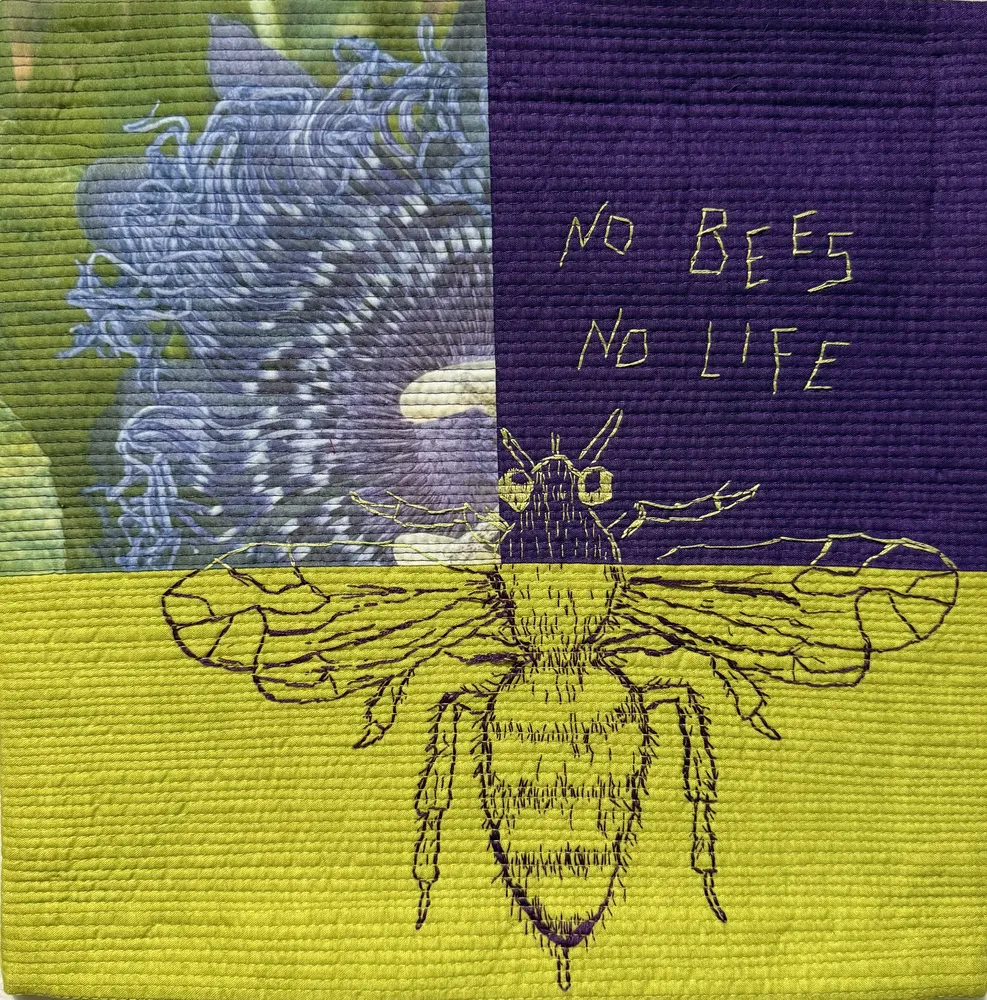
Challenge: The Fantastic World of Insects

Town

Lièpvre

Exhibition venue

#15 Salle Polyvalente, Lièpvre

Year

2026

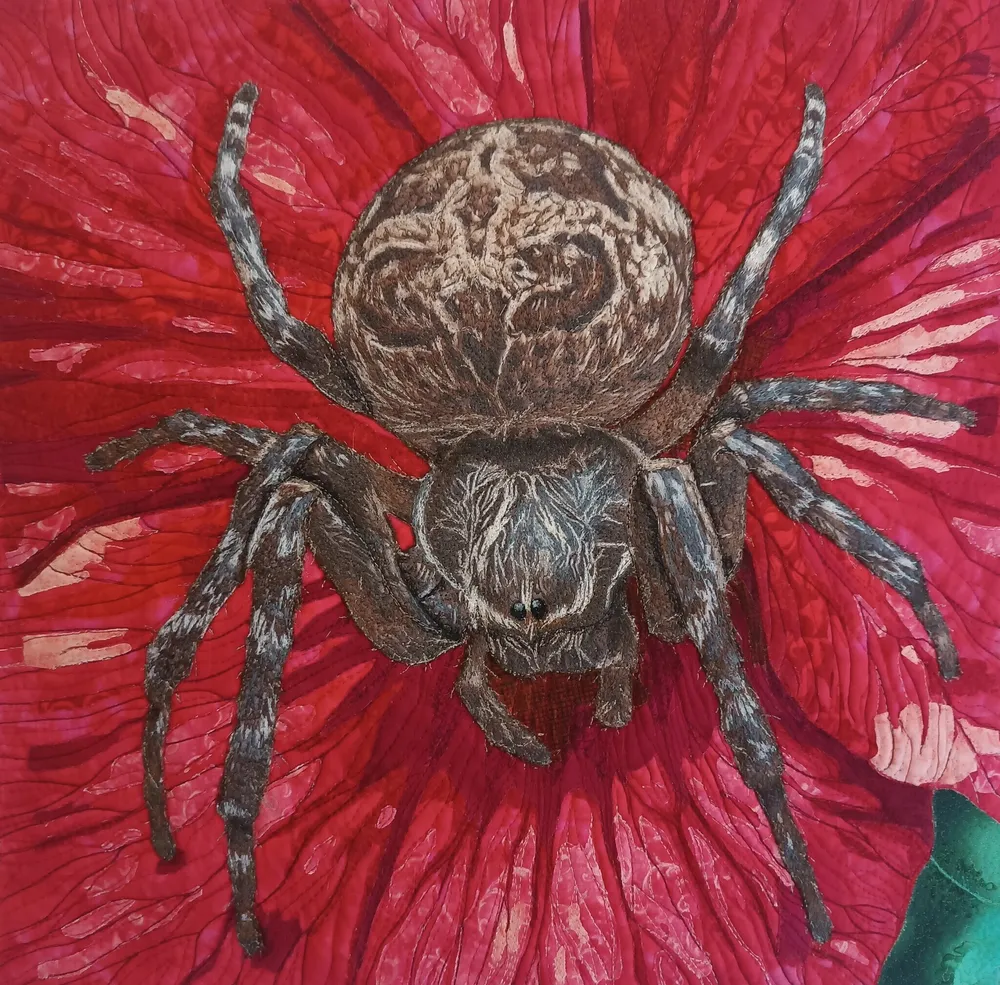
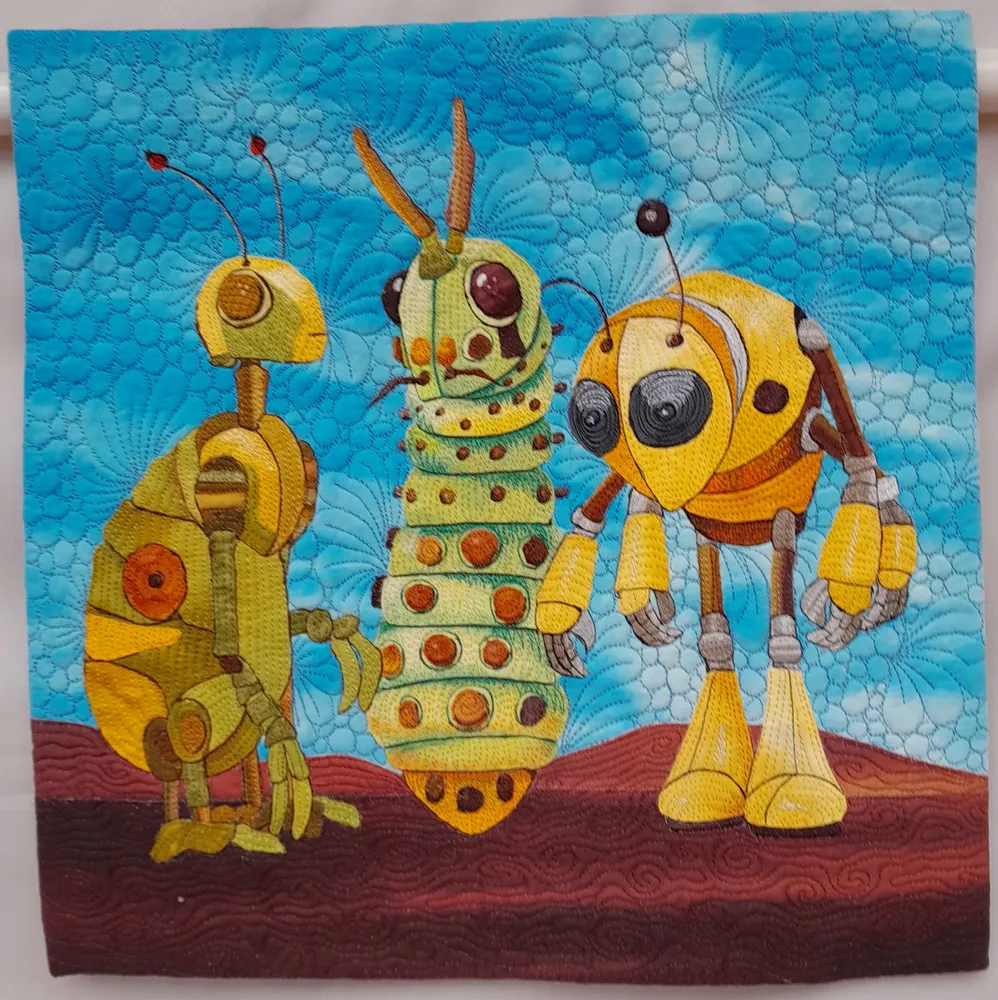
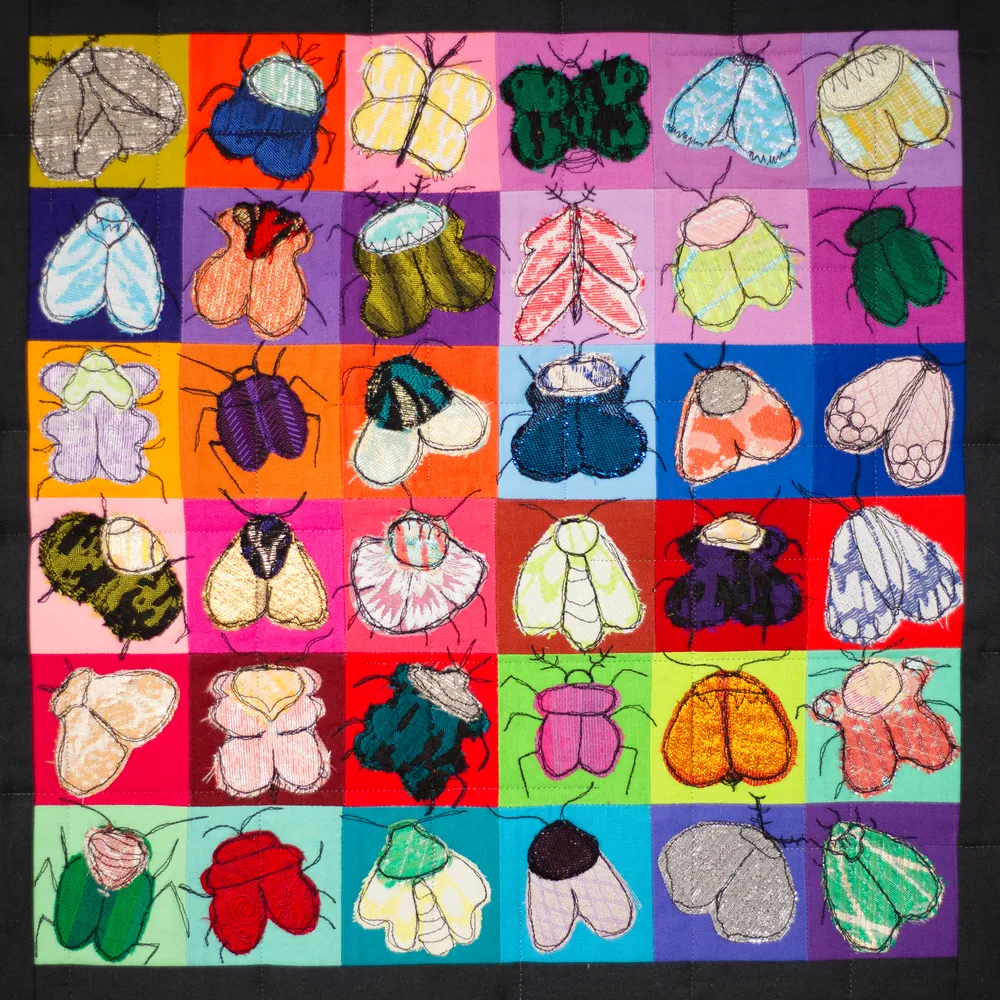
The annual EQA Challenge brings together members of European national quilt guilds in an event known for being democratic, engaging, and always something special. This year’s exhibition presents a rich collection of quilts under the theme “The Fantastic World of Insects.”

Participants were invited to create a textile interpretation inspired by any aspect of insect life. The fascinating world of these extraordinary creatures comes alive through countless quilts, illustrating how diversity enriches both nature and our quilting community.

From delicate wings to intricate patterns, the works reveal the hidden beauty and complexity of the insect realm. The EQA Challenge is not juried, giving every member of a European Patchwork Guild the opportunity to participate and have their quilt exhibited at quilting events across Europe.

Although the format is modest in size—35 x 35 cm—the exhibition demonstrates an impressive breadth of imagination, innovation, and thematic exploration. Multiple interpretations of insects are represented here.

Techniques, traditions, cultural perspectives, fabrics, and colors reflect deep connections to longstanding national traditions across Europe. Together, these works highlight both the richness of diversity and the strength of European unity.